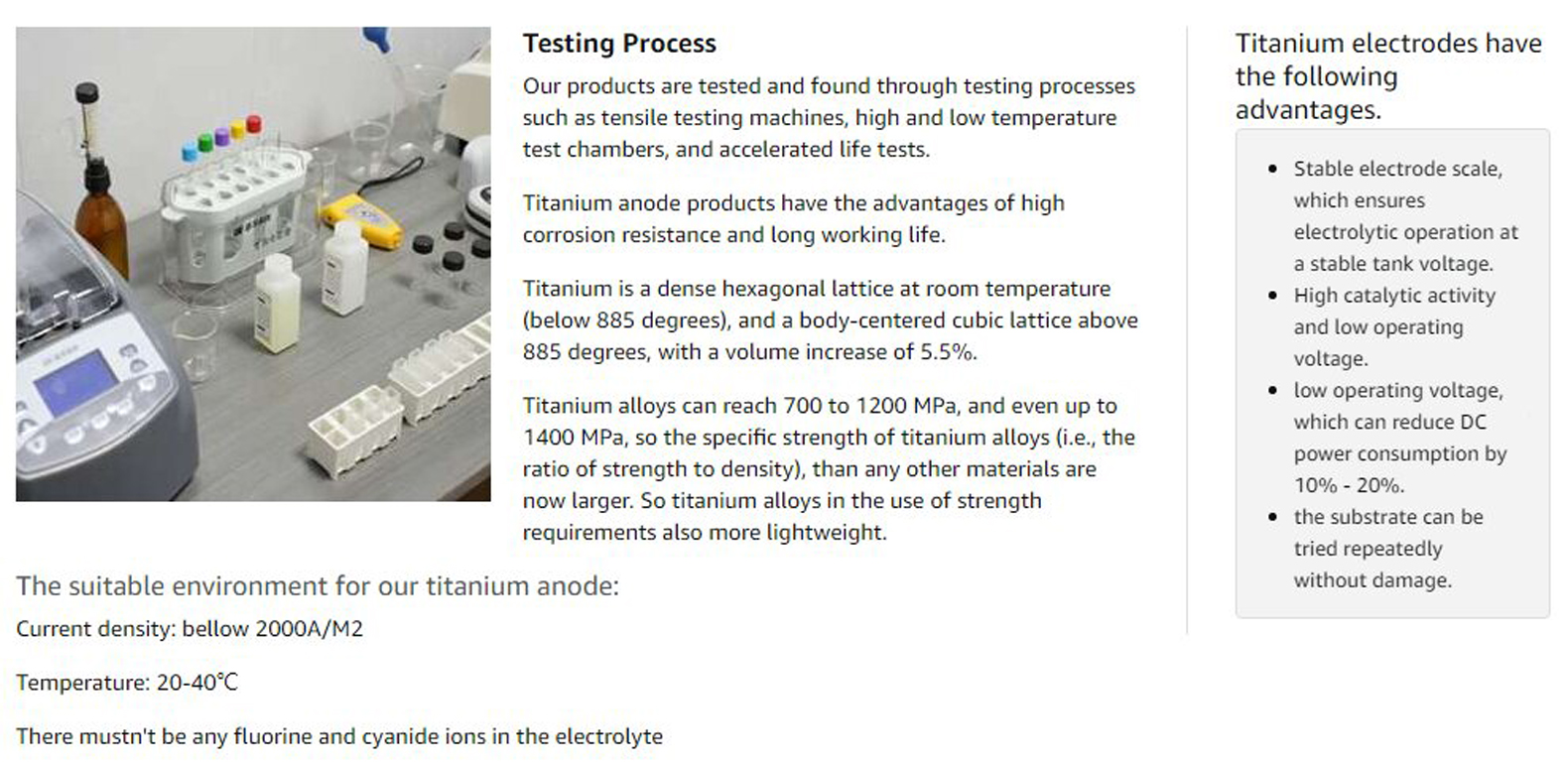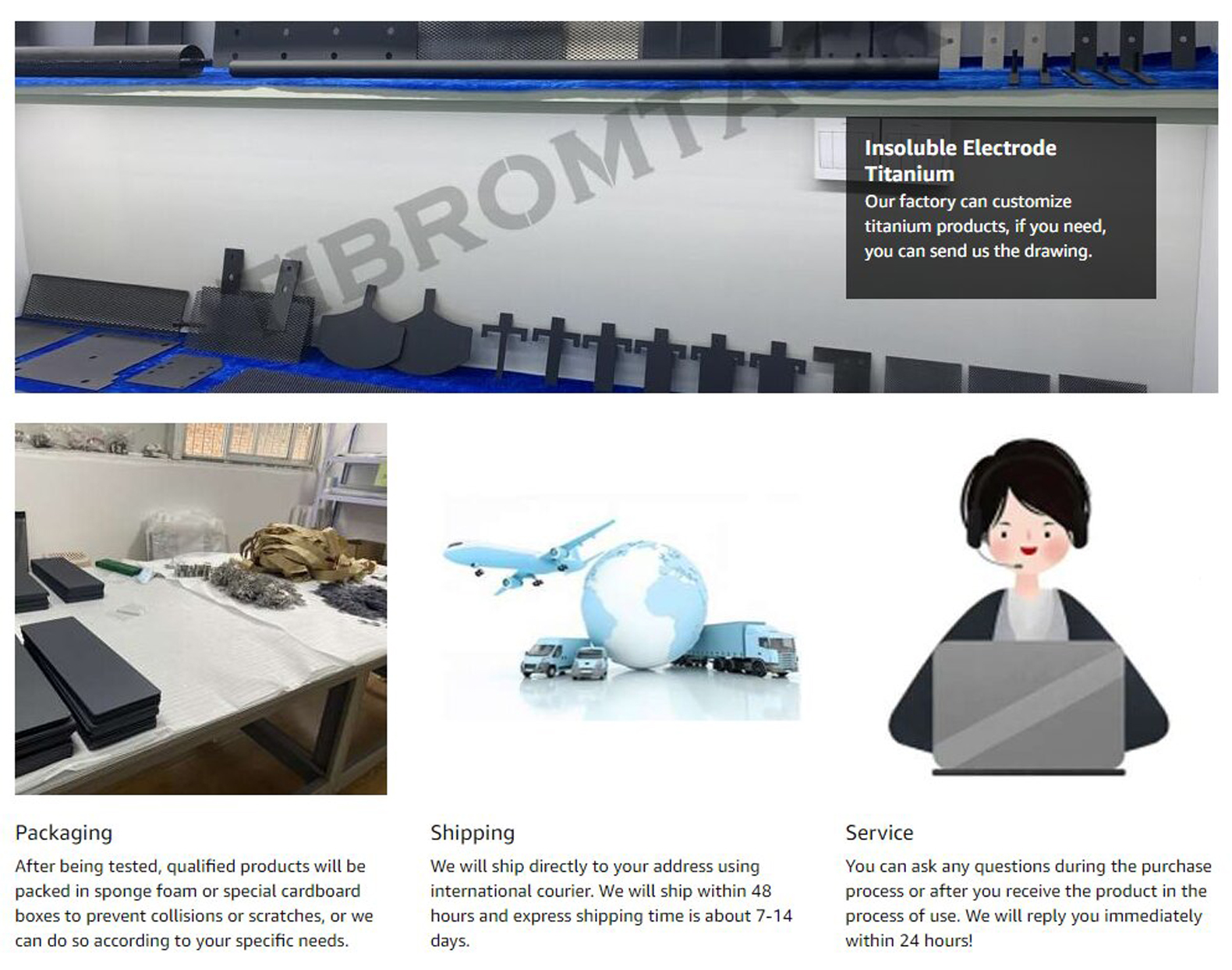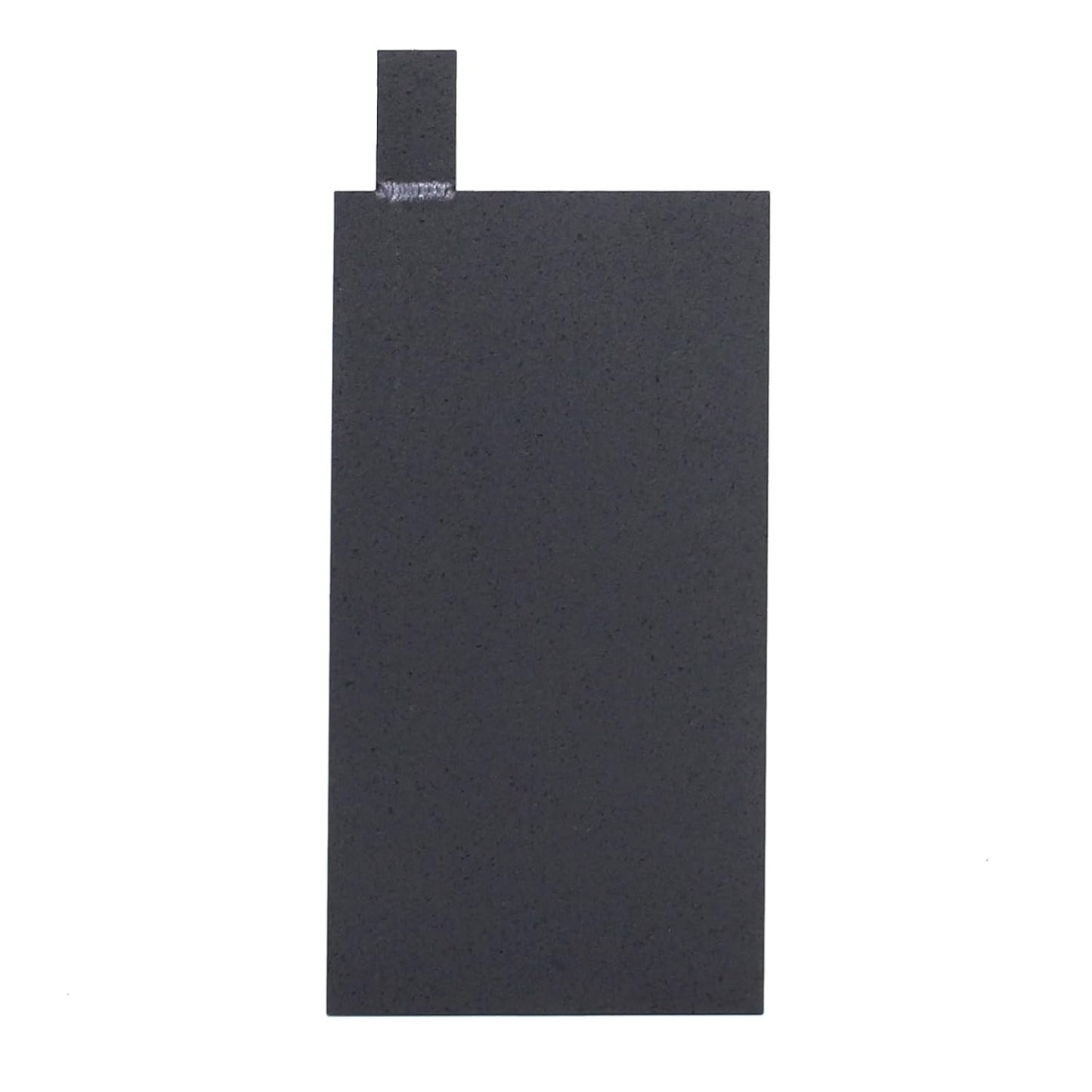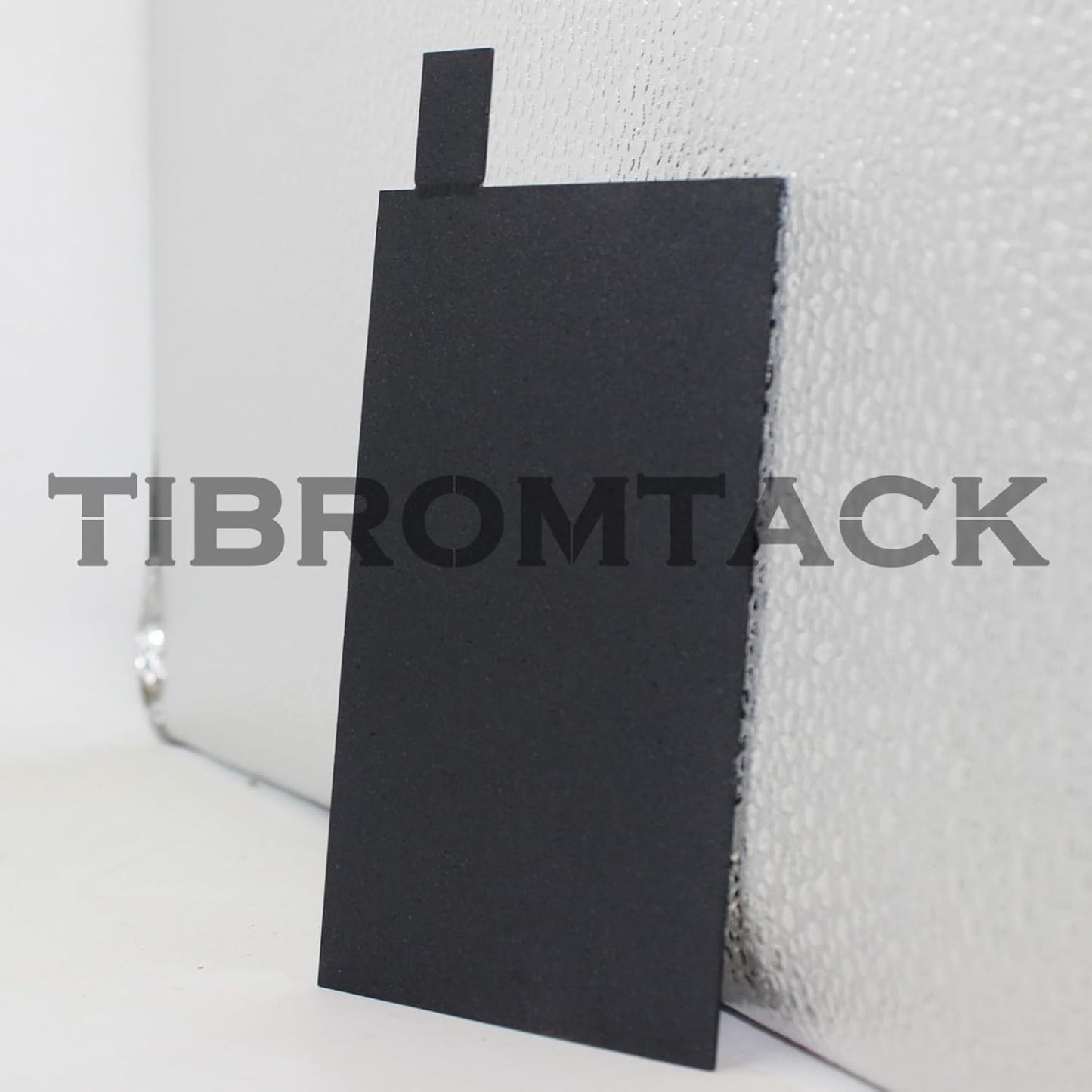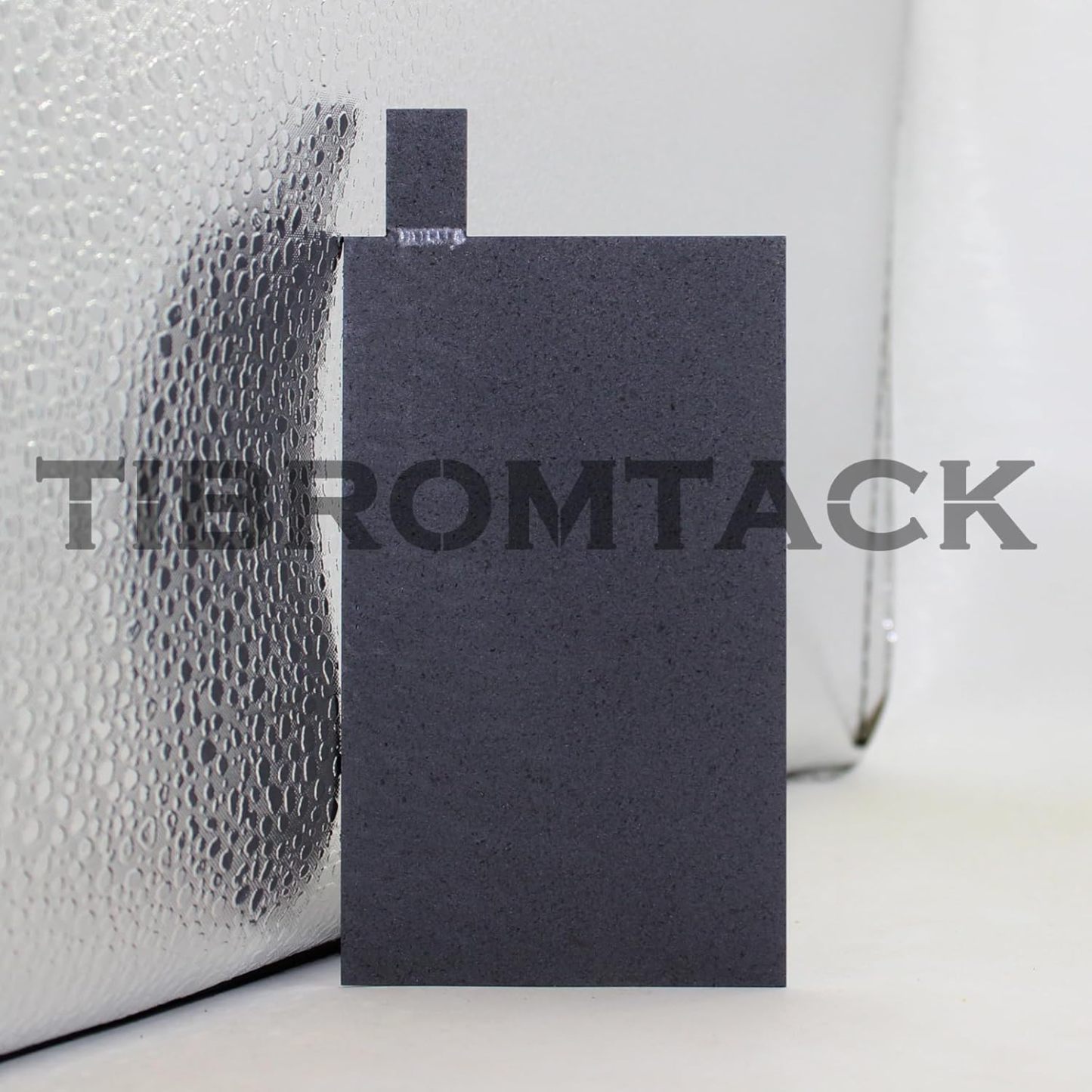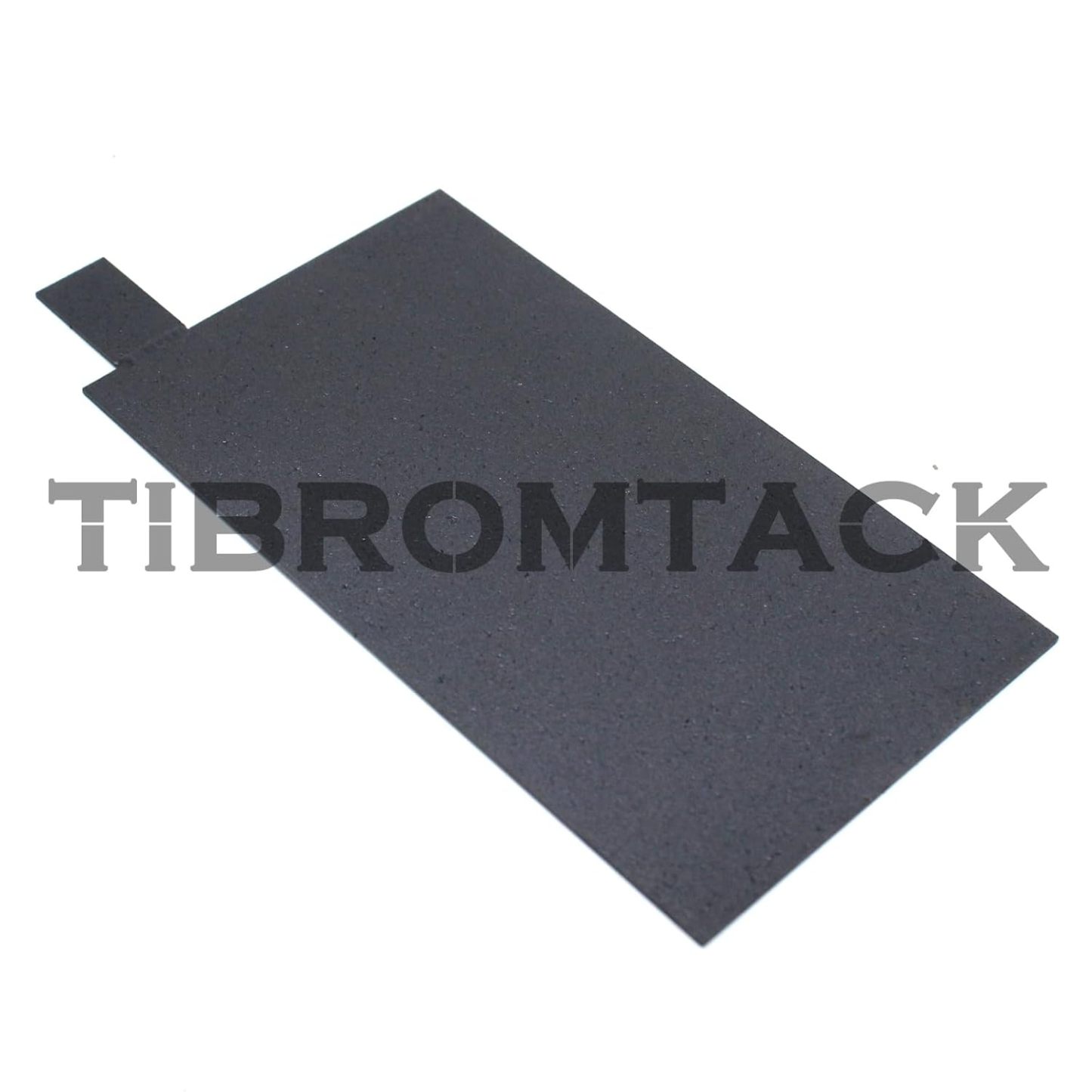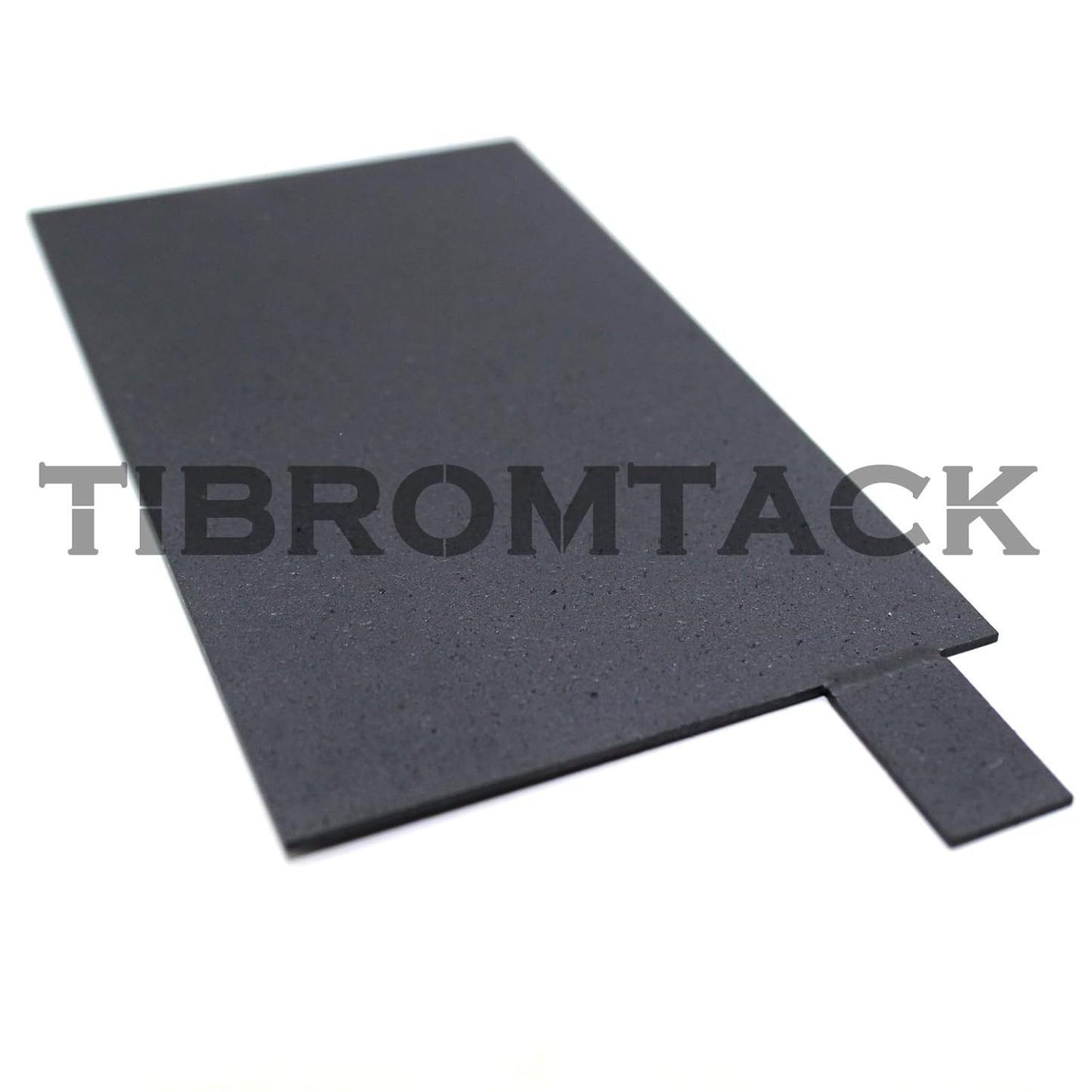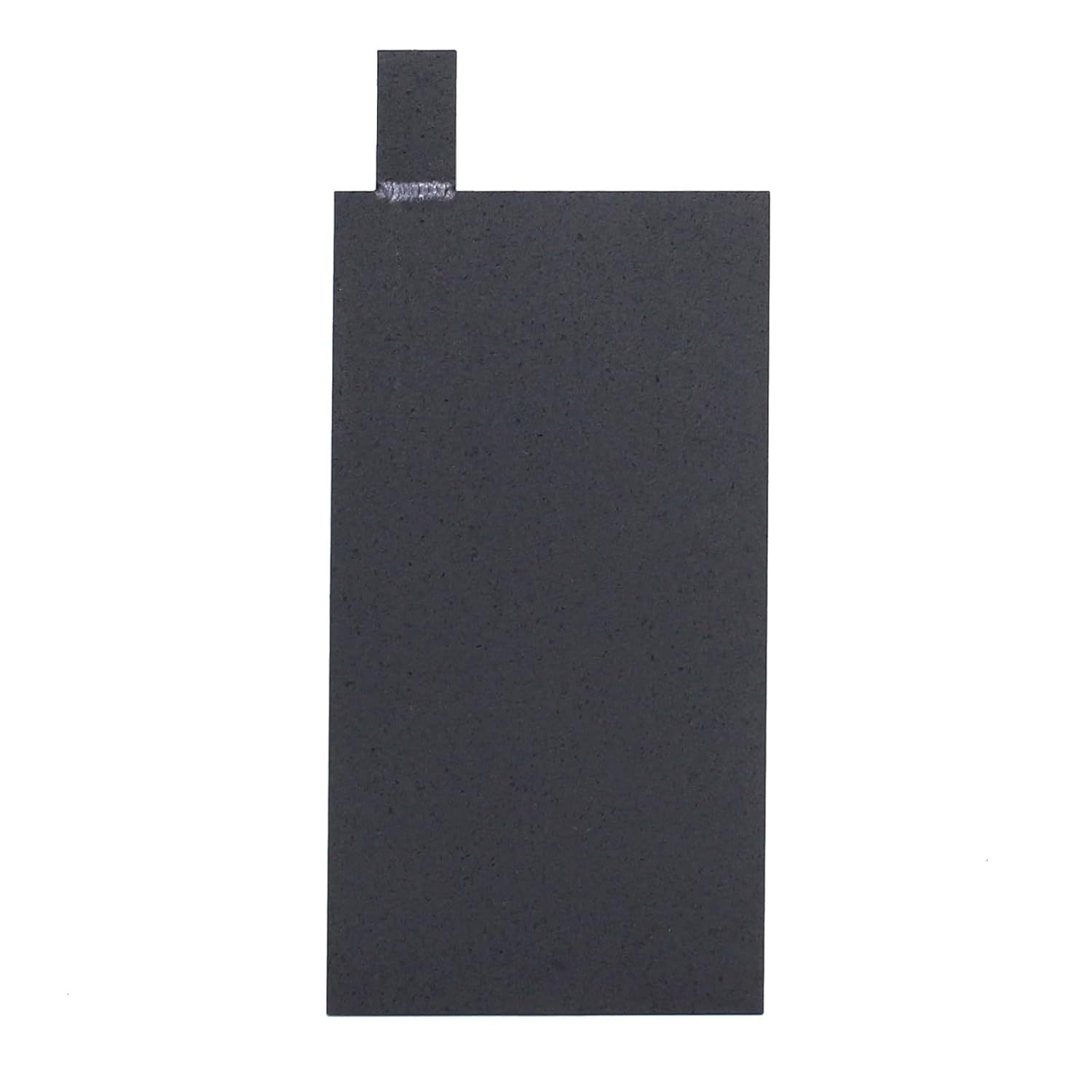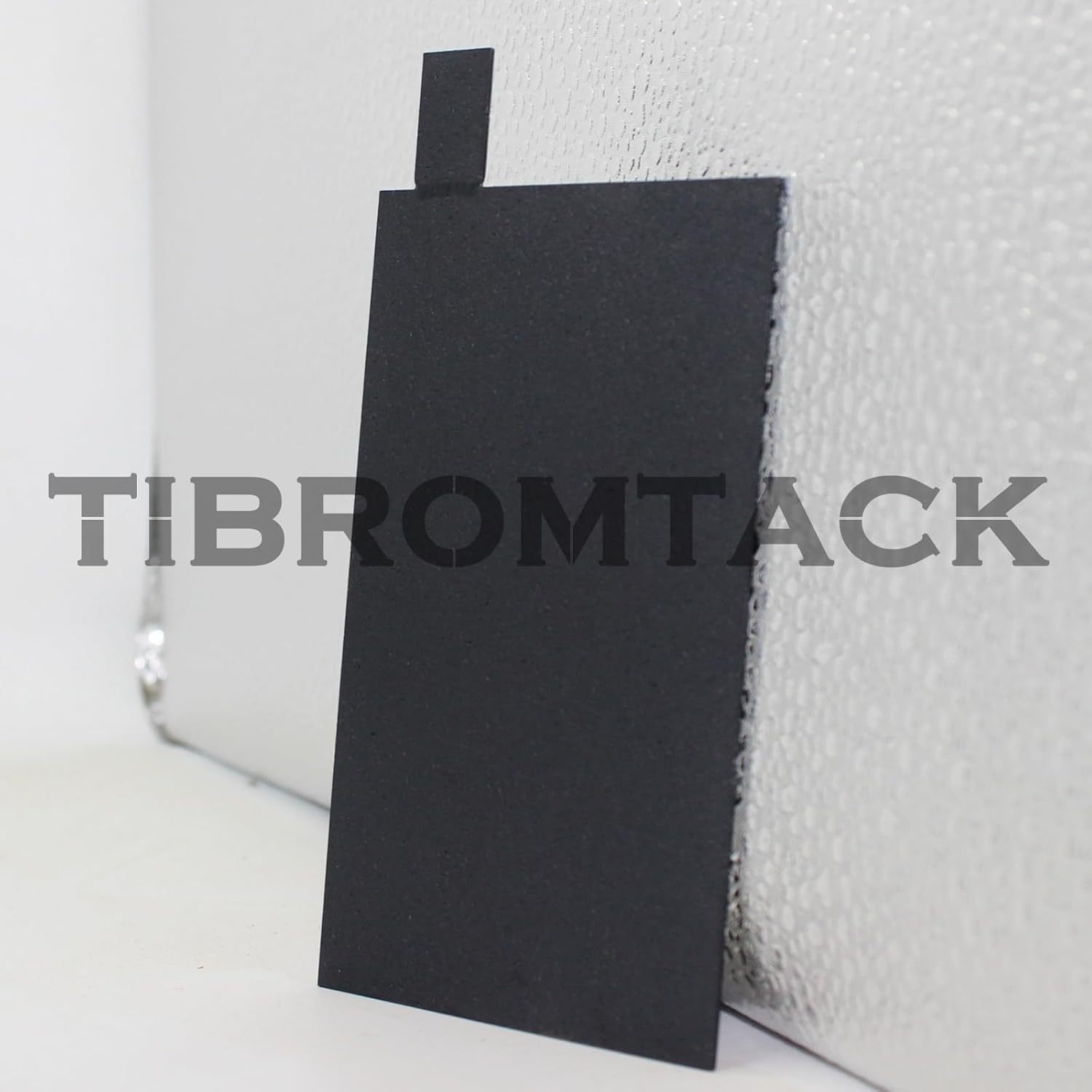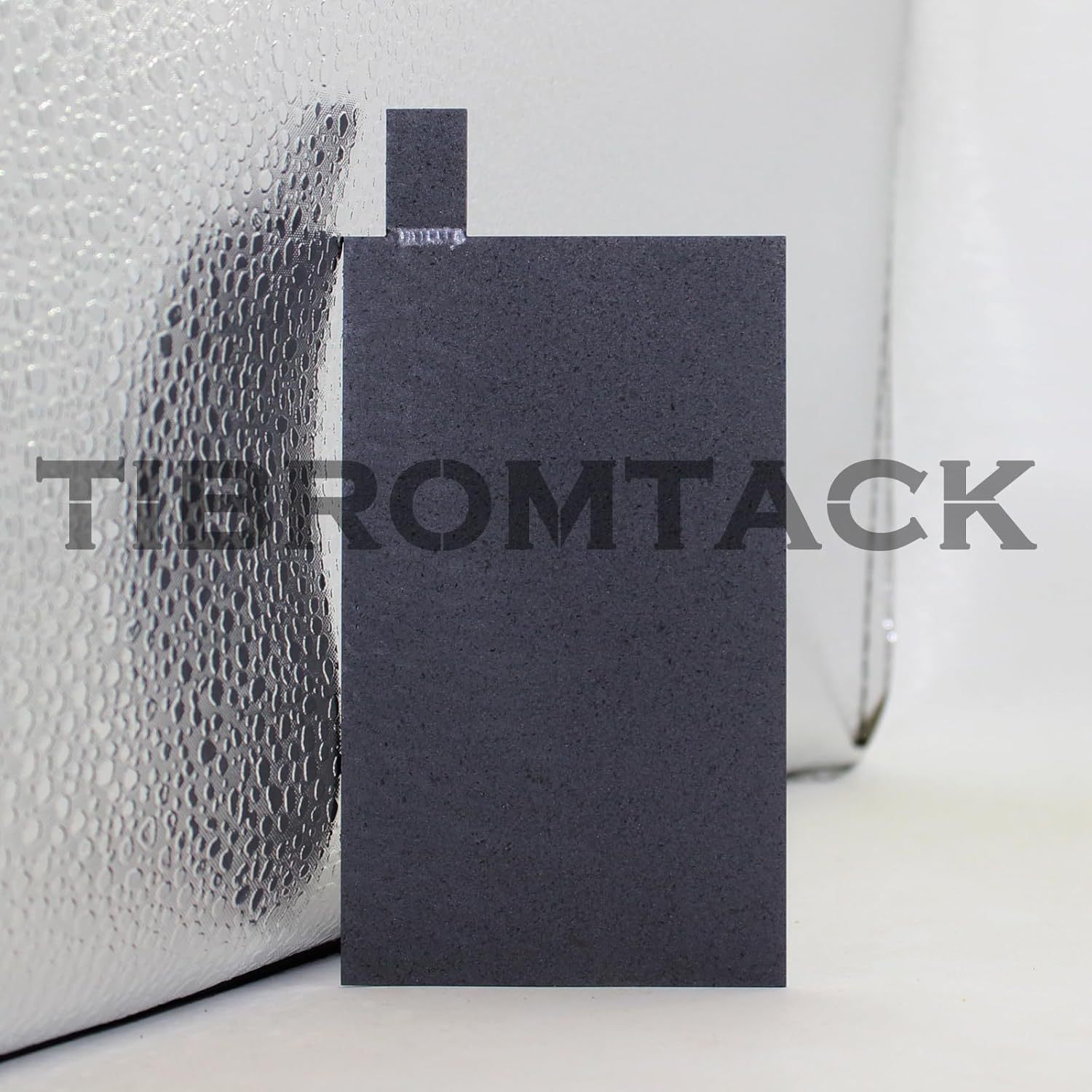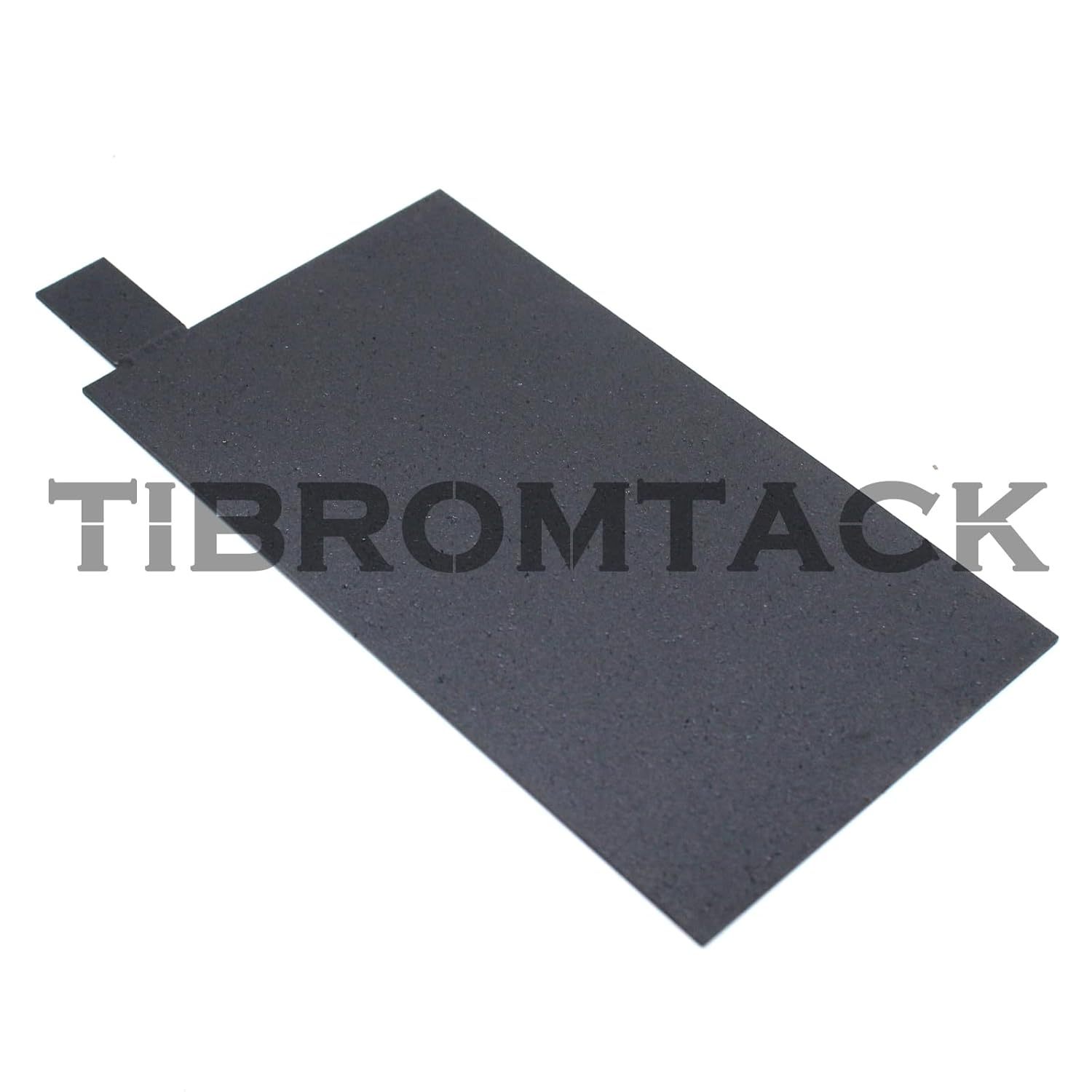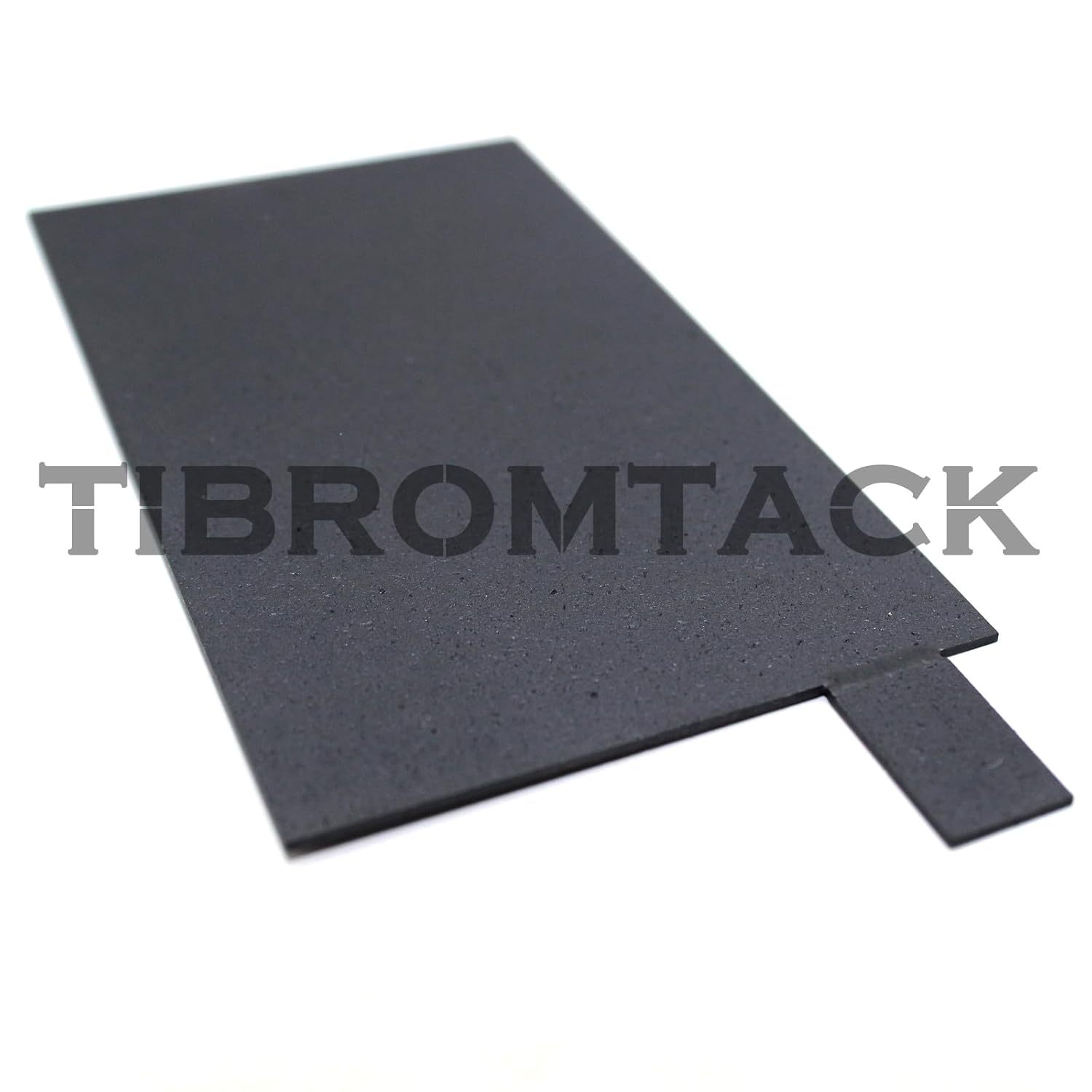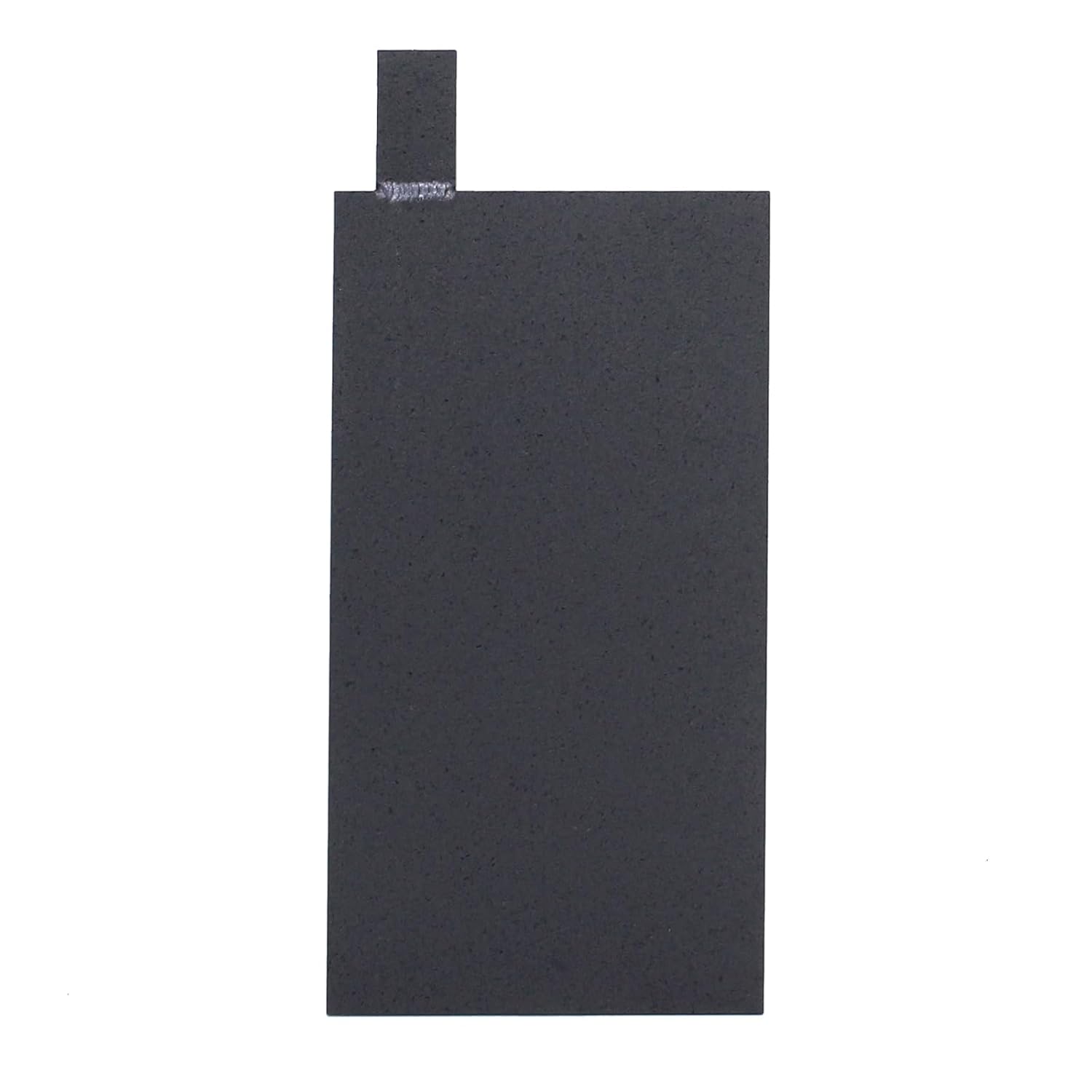
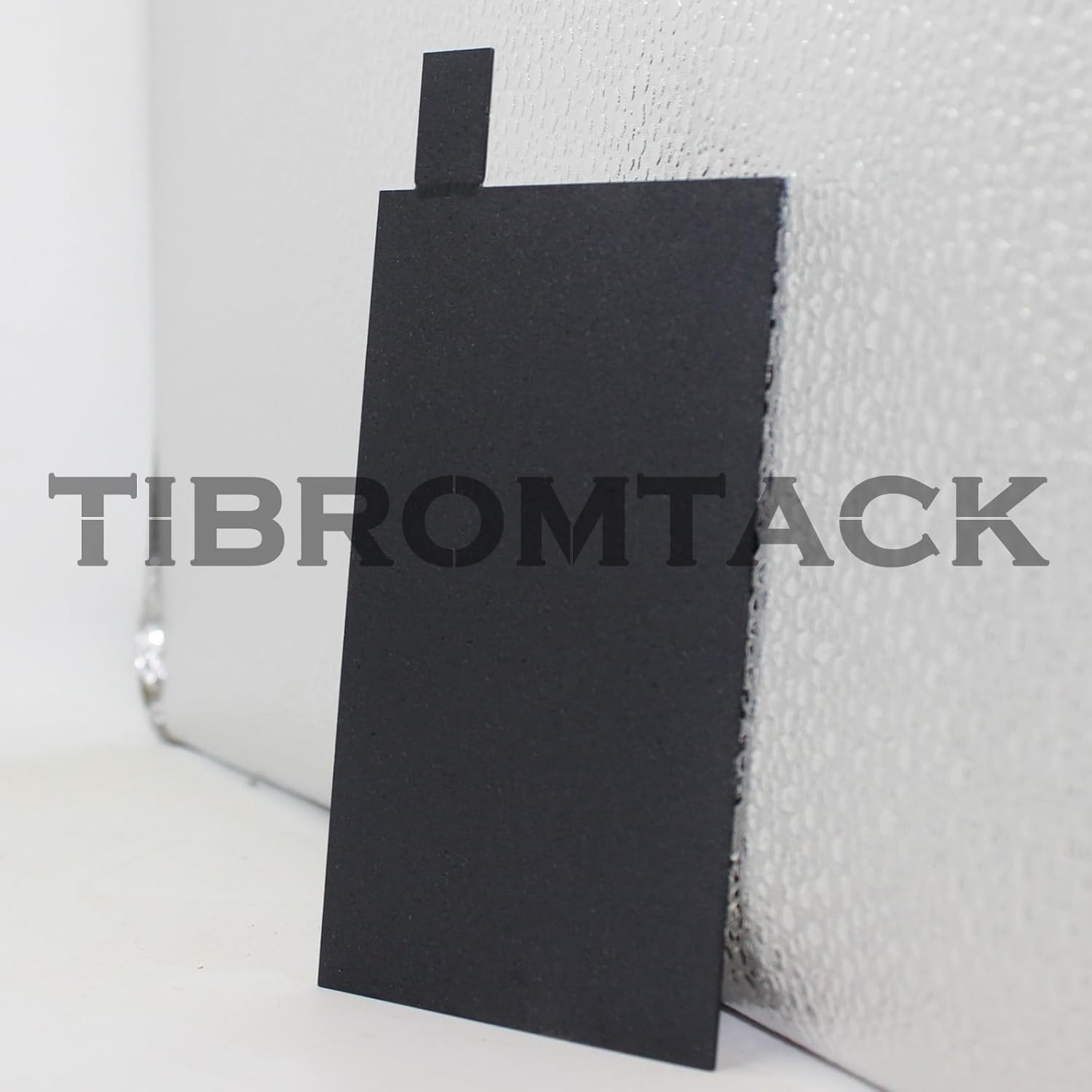
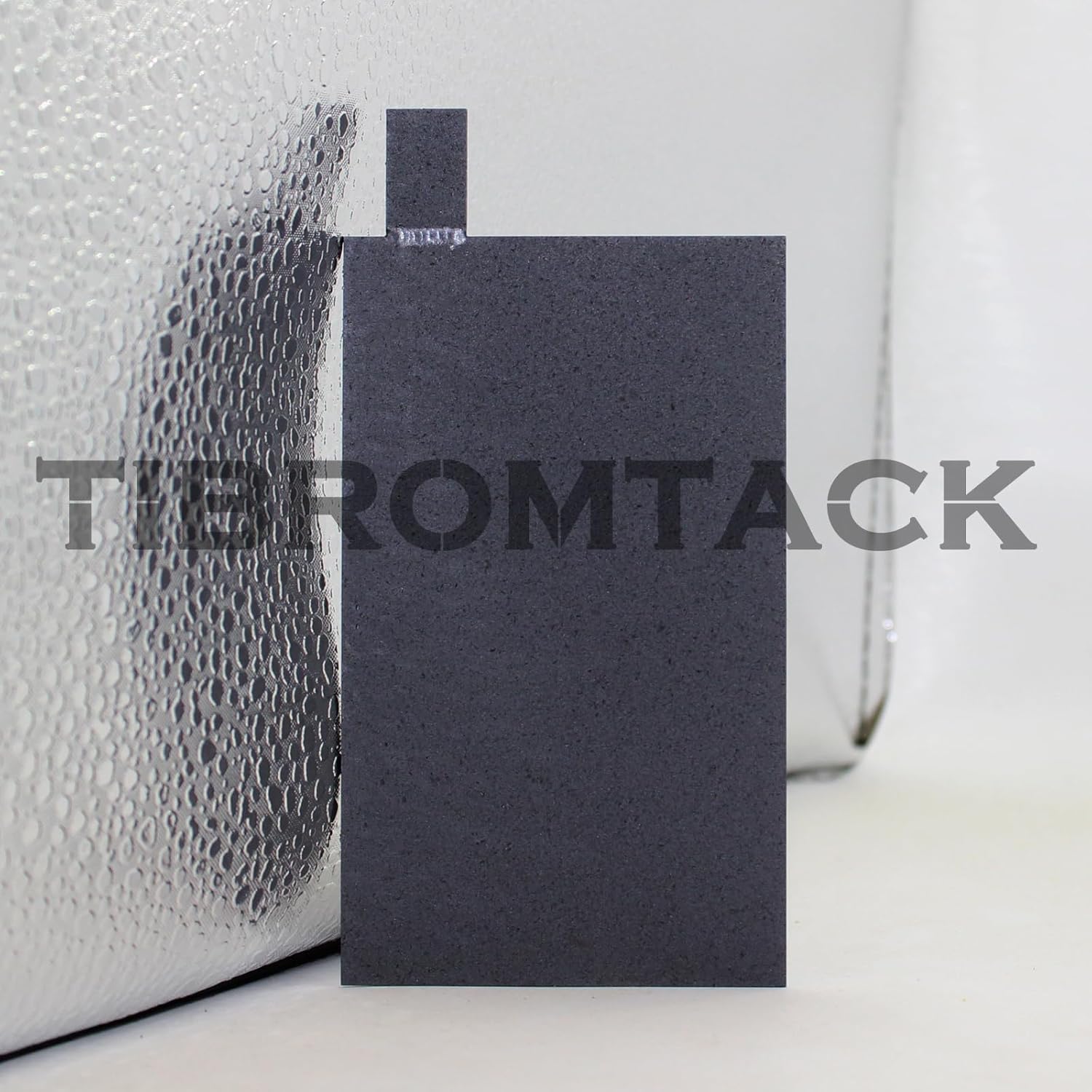
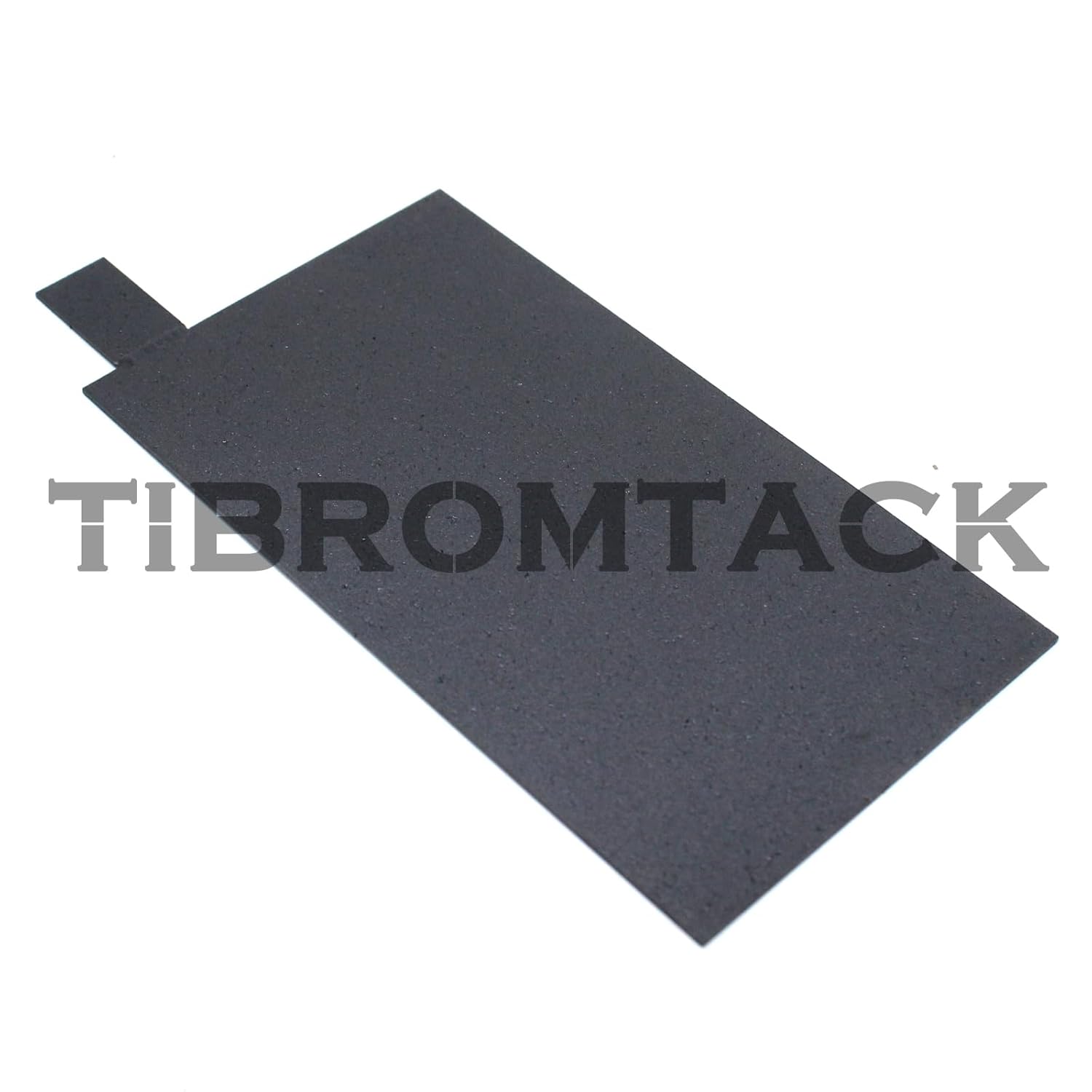
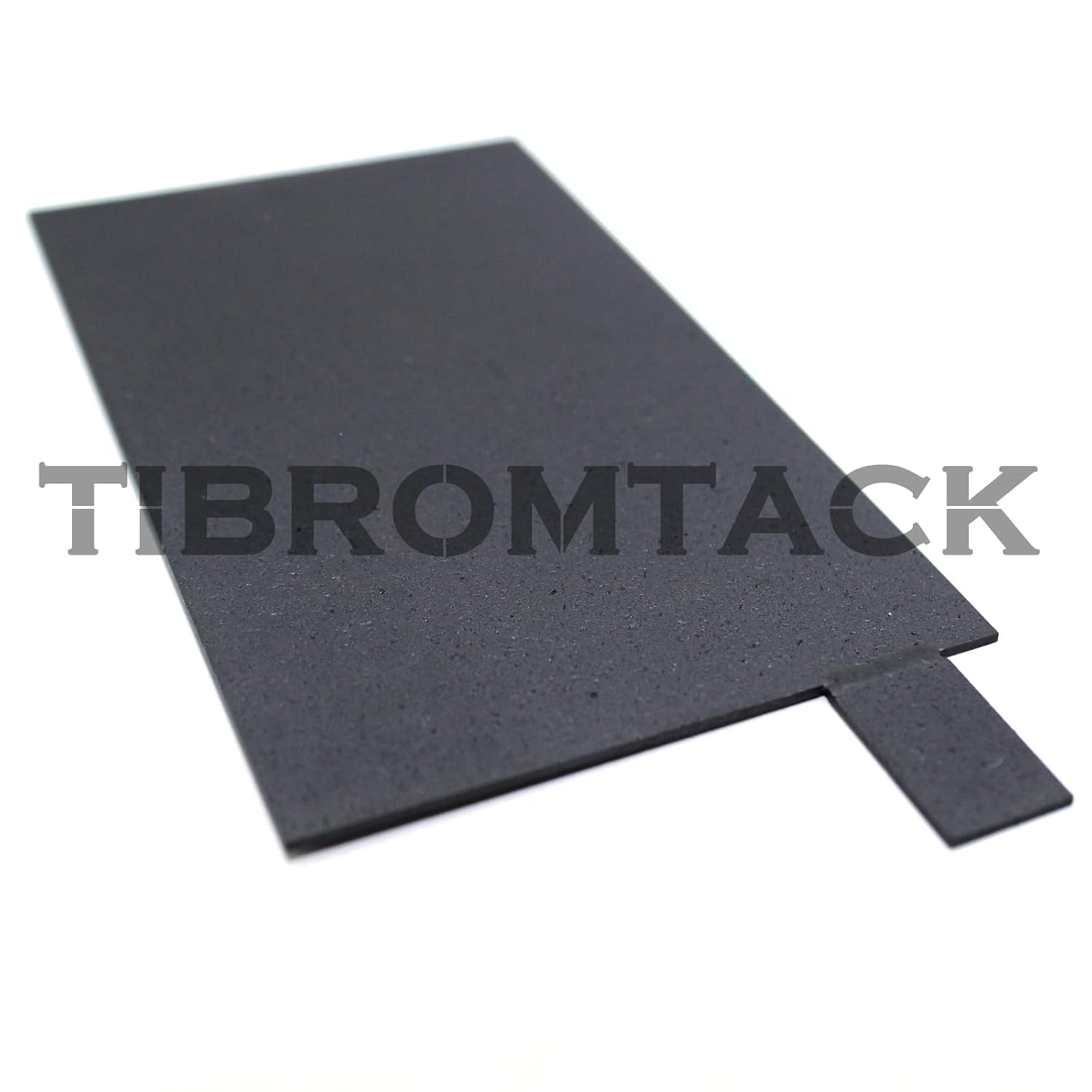
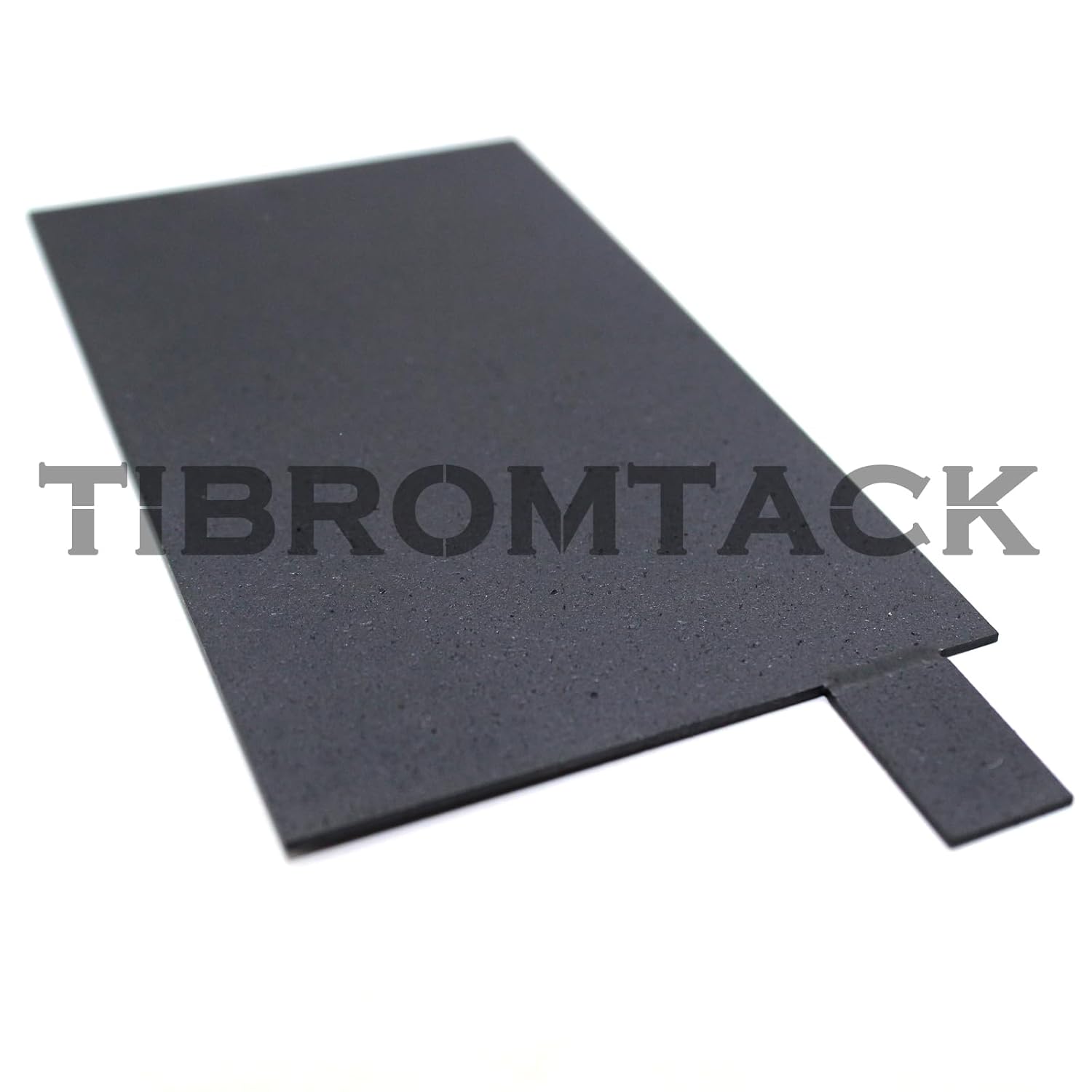
- Composition: The electrolytic plate consists of an electrocatalytic precious metal oxide coating and a pure titanium substrate. Can be used in environments such as salt water, tap water and sea water.
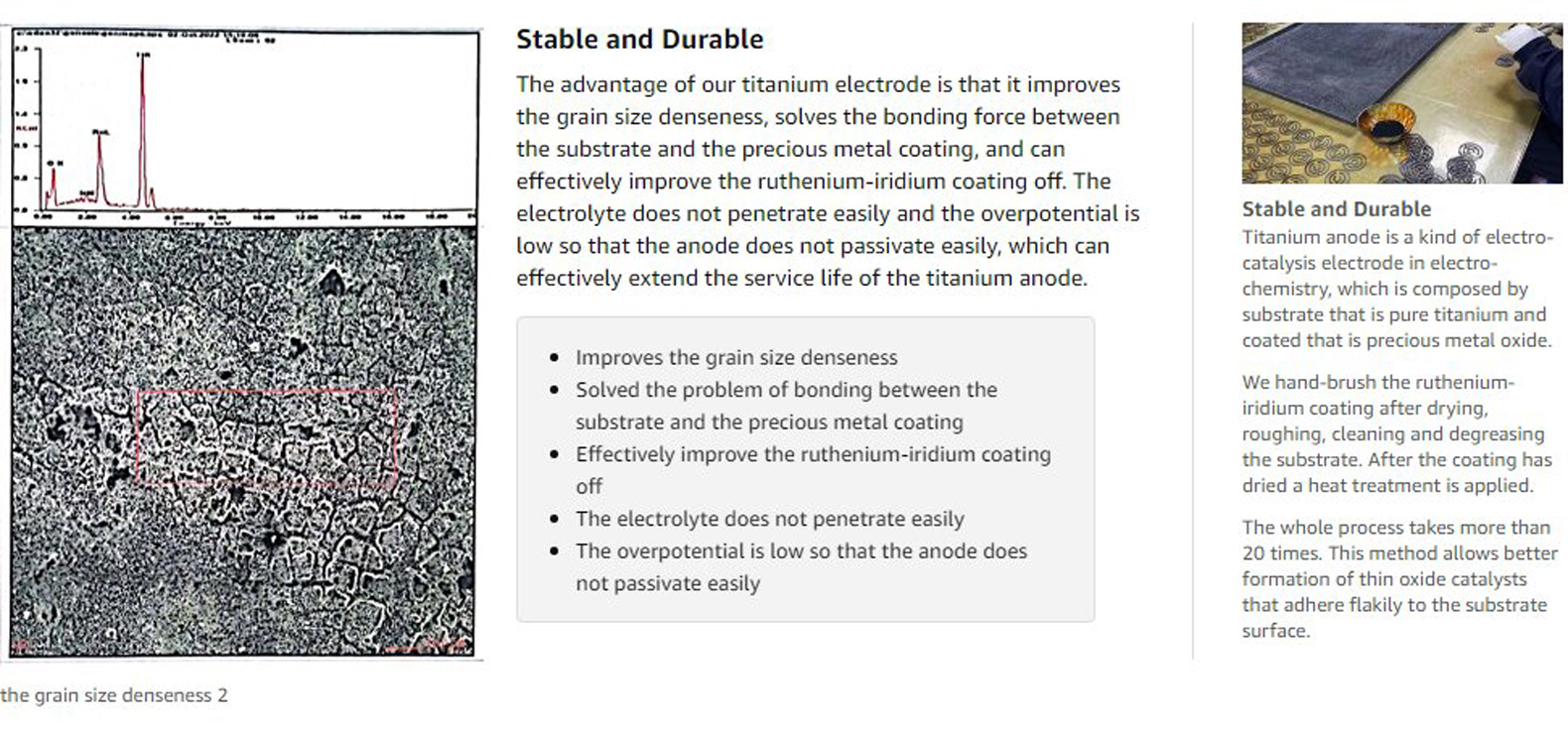
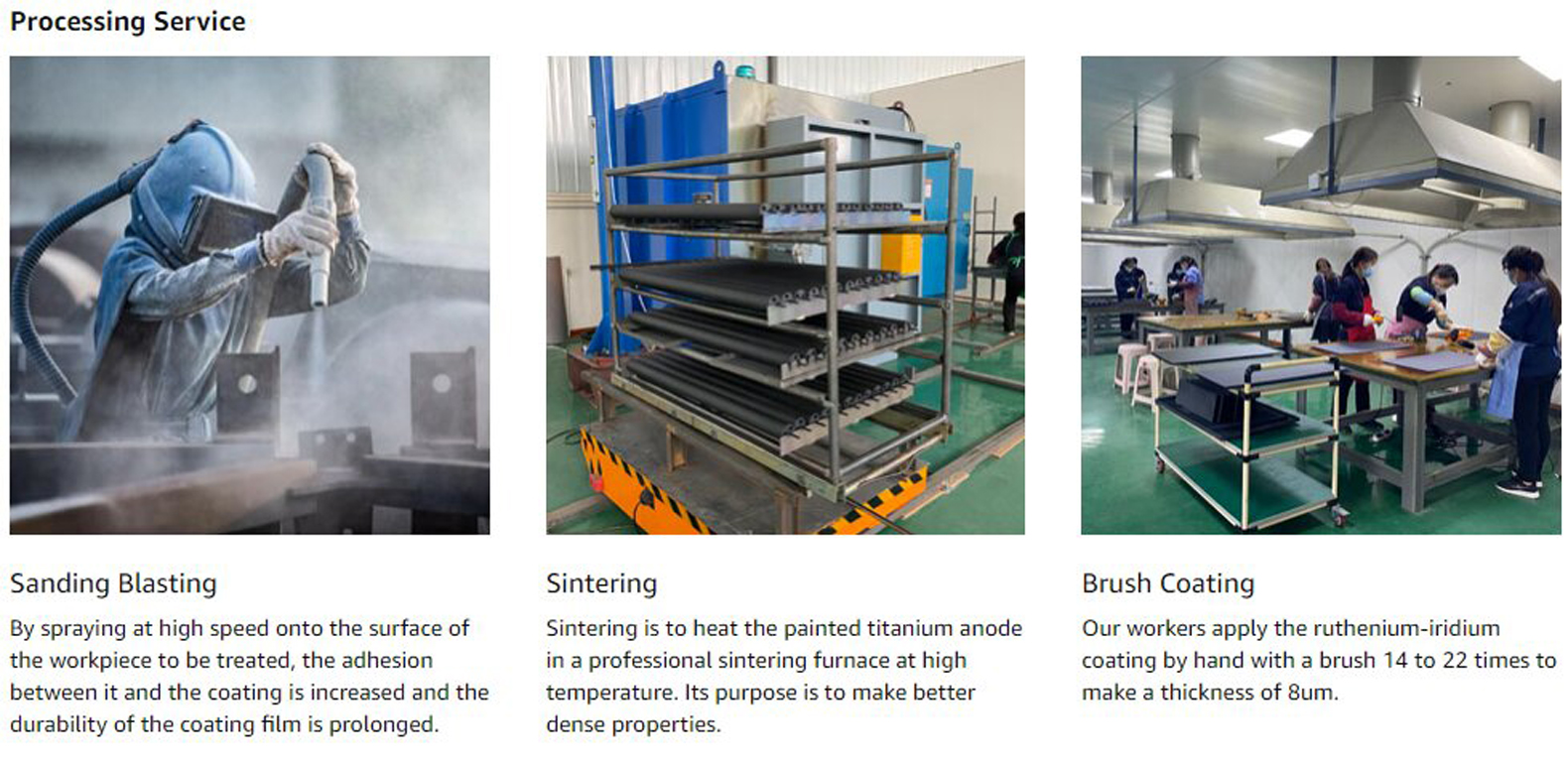
- Features of Ruthenium Coating The surface of the titanium anode is coated with ruthenium by a special process, which has good electrocatalytic performance and resistance to electrolytic oxidation, and can produce a better electrolytic response than other electrodes, allowing better conversion efficiency. It is also characterised by a high melting point, high strength and stable electrothermal properties.
- Advantages of Titanium Substrate The ruthenium-coated titanium anode is based on Gr1 titanium, and the substrate can be used multiple times without polluting the medium during the electrolysis process.
- Applications: water treatment for the chlorine-alkali industry, chlorine production, electrolytic production of sodium hypochlorite, wastewater treatment and swimming pool cleaning.
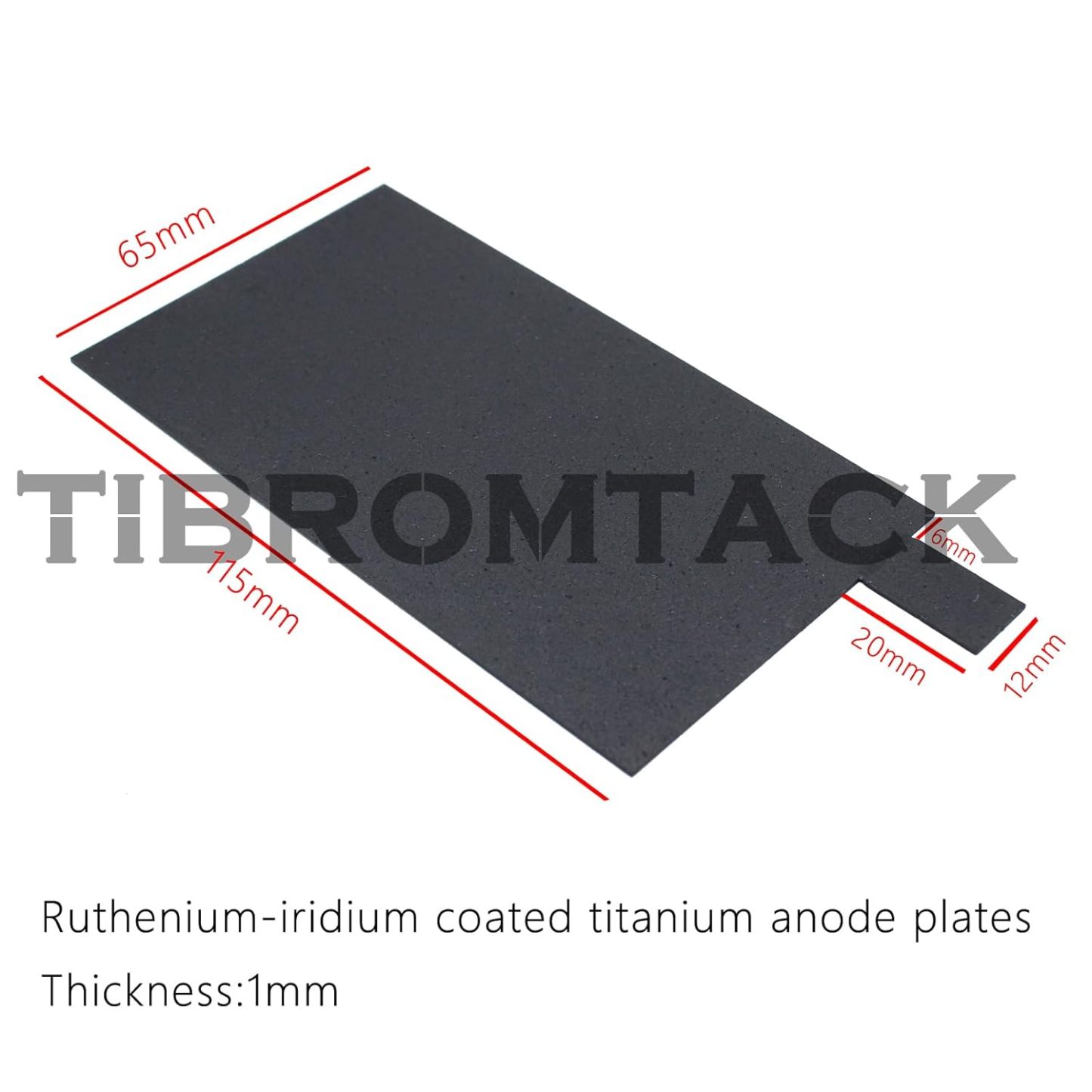
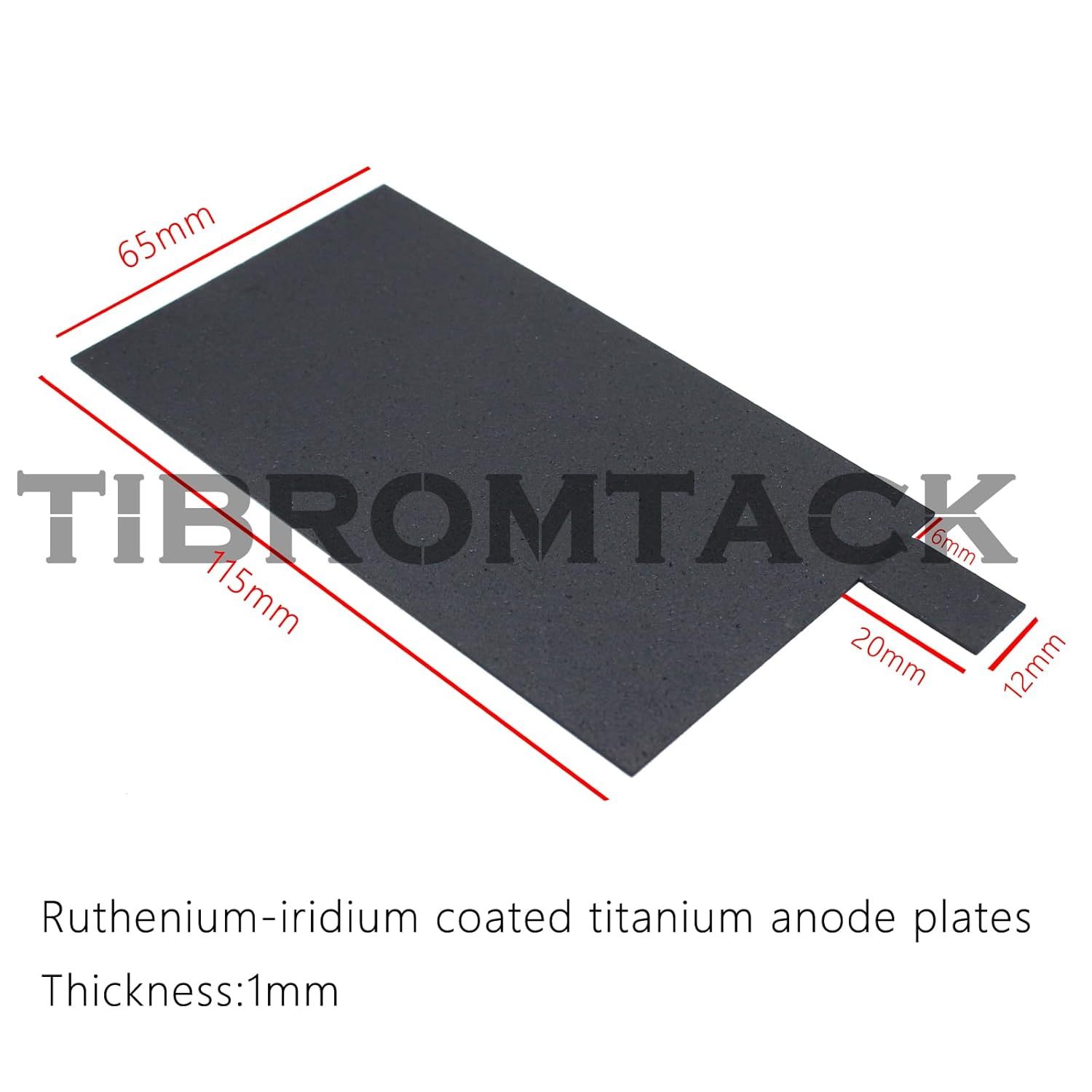
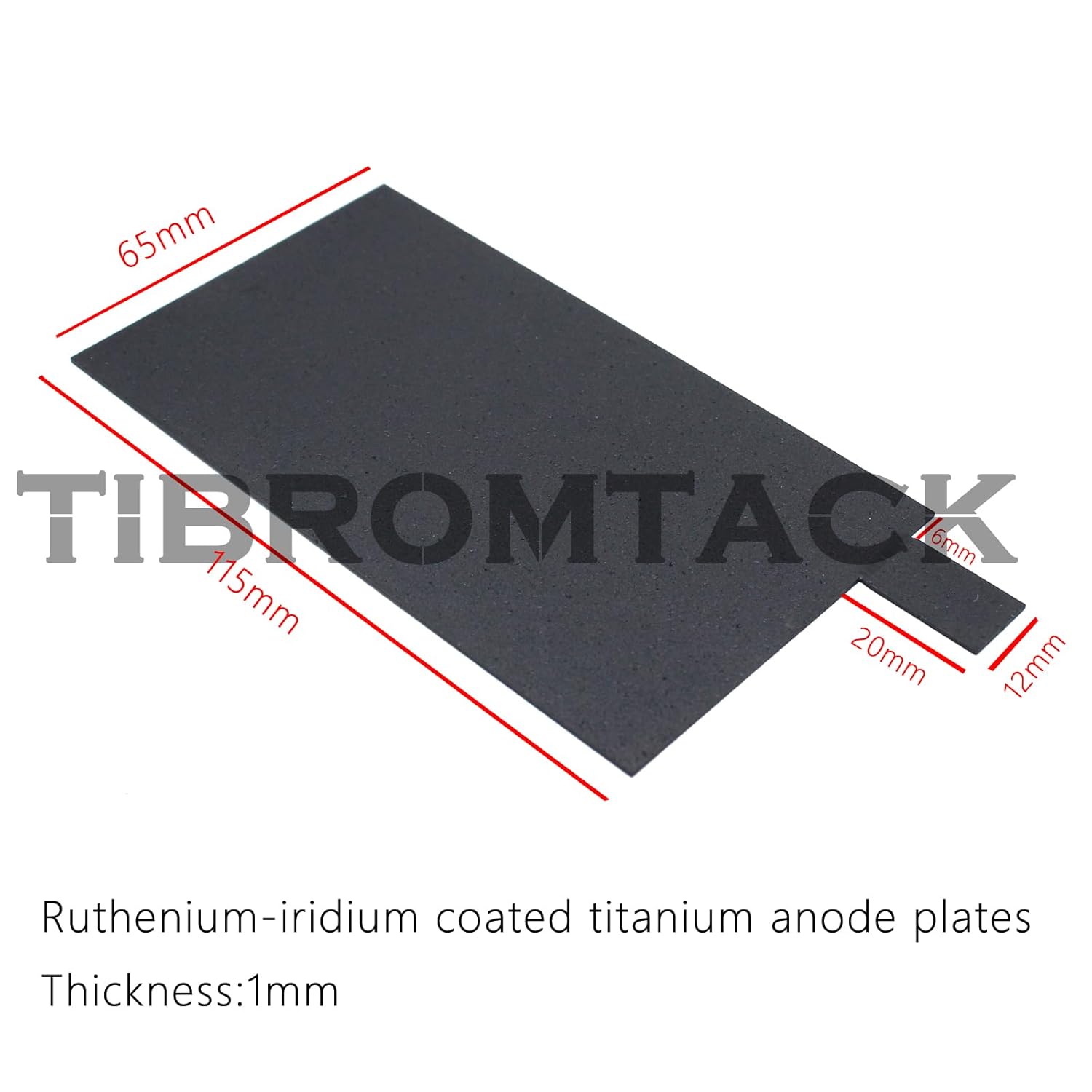
- Size The effective surface of the titanium based ruthenium coated anode is 11.5 x 6.5 cm, with a thickness of 1 mm. As shown in the picture.